
Cataracts and Cataract Surgery for Dogs and Cats
A cataract is a cloudiness in the lens of the eye that blocks light from reaching the retina and can lead to blindness. At Animal Eye Clinic, board-certified veterinary ophthalmologist Dr. Robert M. Gwin evaluates inherited, age-related, diabetic, and hypermature cataracts and performs phacoemulsification cataract surgery to restore functional vision for pets at our Tulsa and Oklahoma City offices.
Request an AppointmentWhat Is a Cataract?
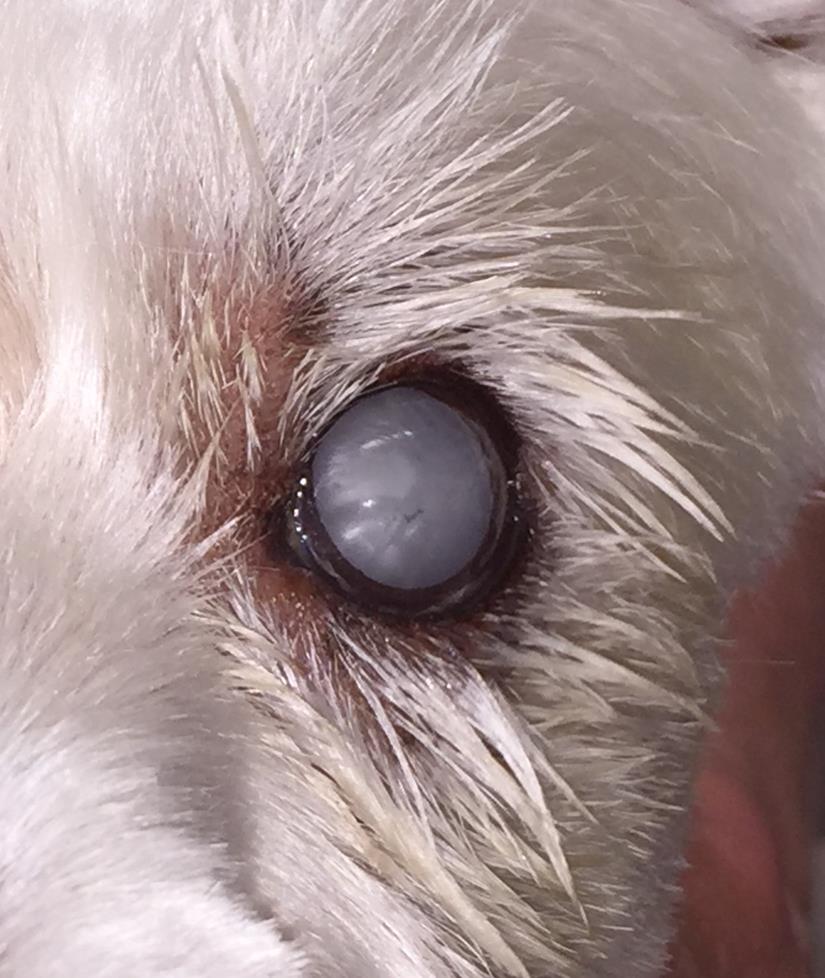
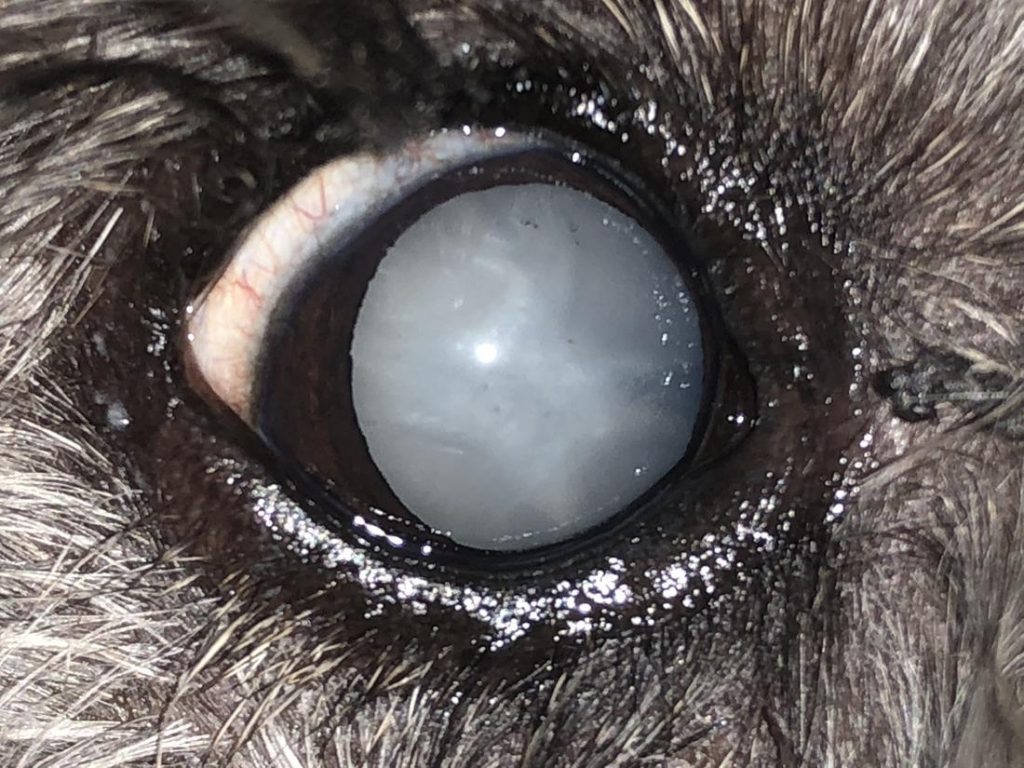
The lens is a living tissue inside the eye that is normally transparent and helps focus light onto the retina, the light-sensitive nerve tissue at the back of the eye. A cataract forms when the normal composition of the lens is disrupted, causing it to lose its transparency and appear cloudy or white. When a large portion of the lens is affected, light can no longer reach the retina clearly and vision becomes poor.
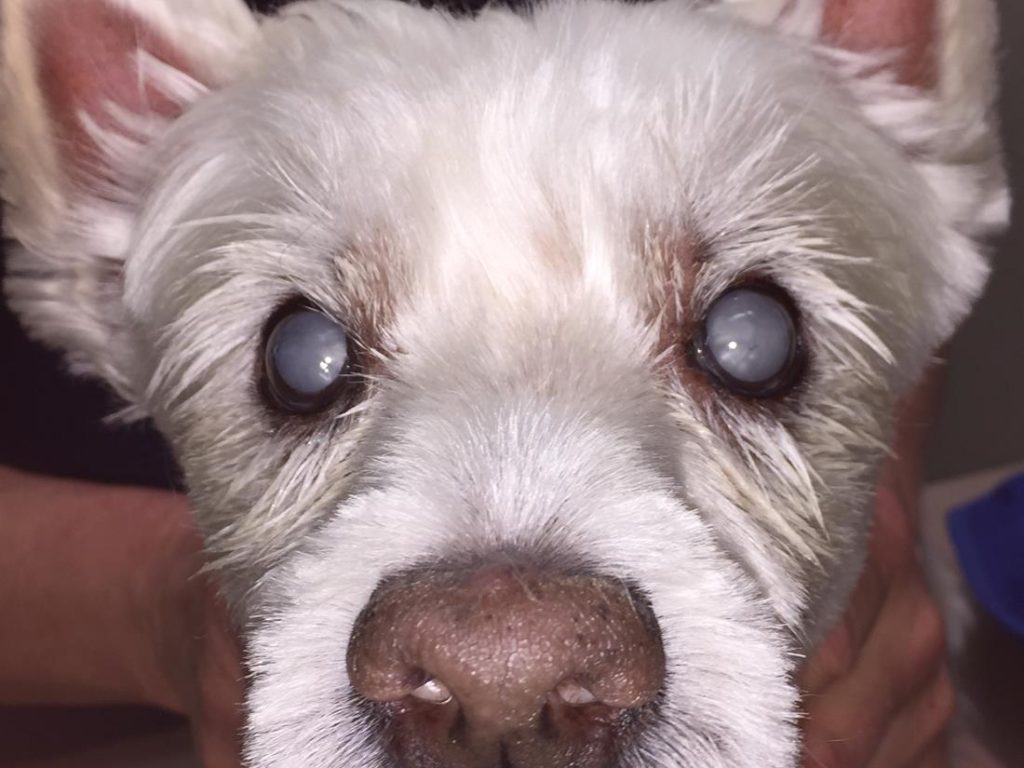
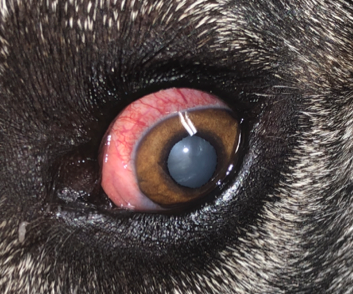
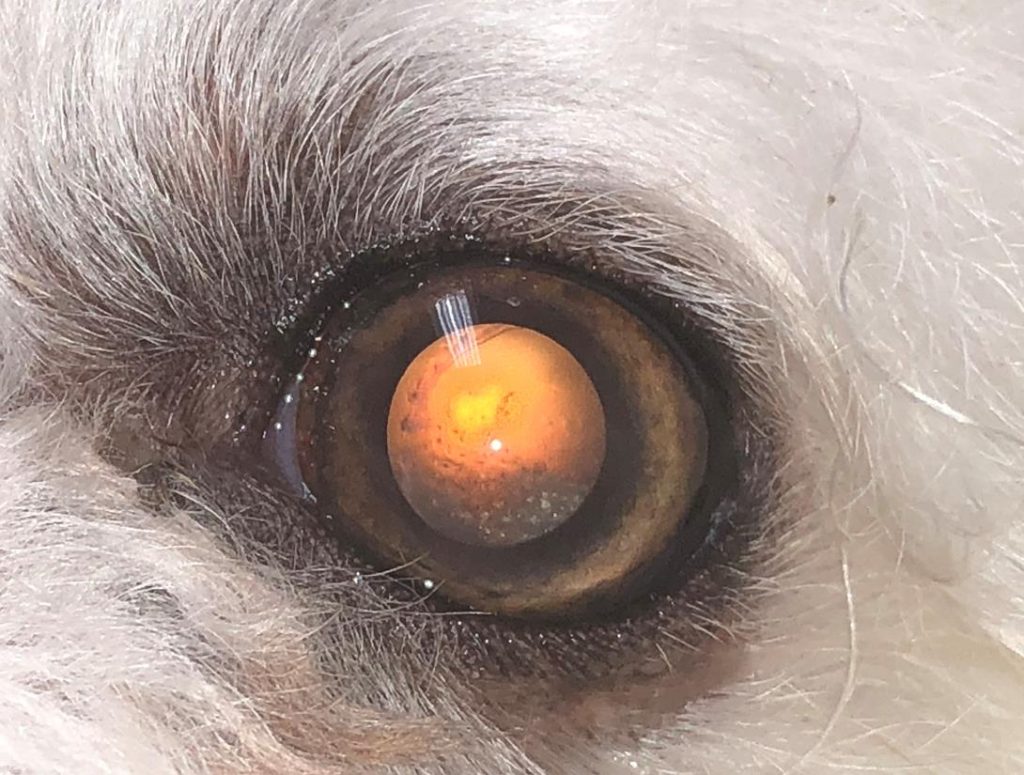
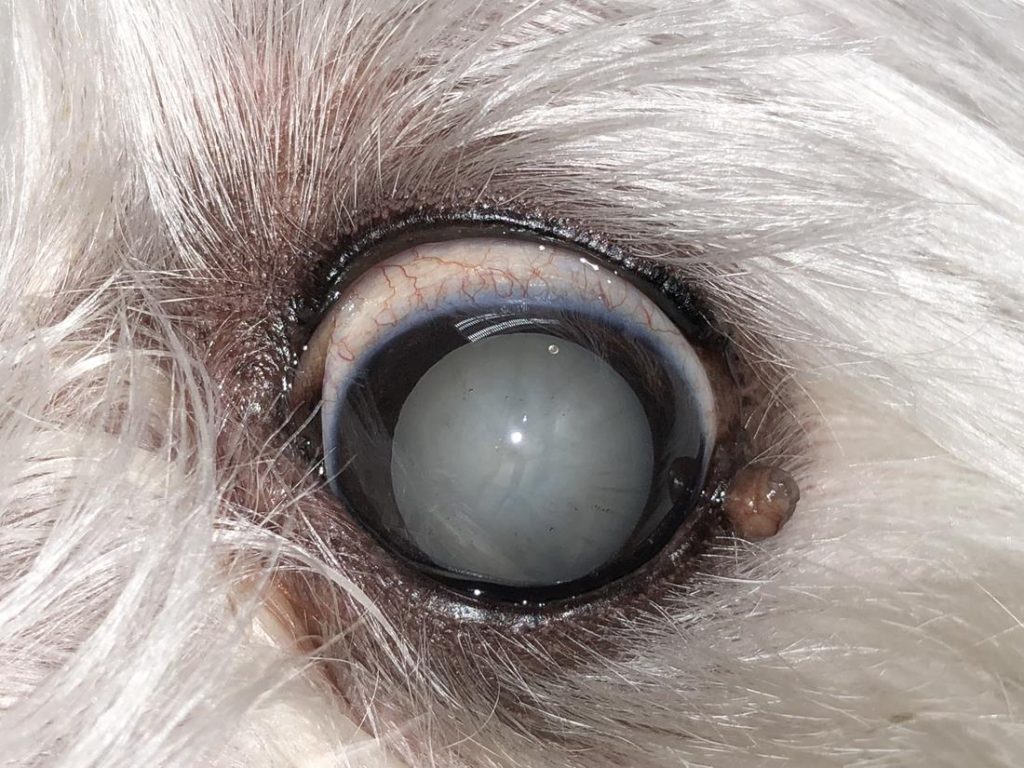
Cataracts can look like small spots, a cracked-ice pattern, a diffuse milky haze, a pearl-like sheen, or white streaks. They may start in a small area and spread to more of the lens, and they can develop in one or both eyes. The rate of progression is hard to predict, though it tends to be faster in younger animals. Not all cataracts lead to blindness, and incomplete cataracts may not affect vision significantly.
What Causes Cataracts in Pets?
Most cataracts in dogs are hereditary or age related. Cataracts can also result from eye injury, inflammation inside the eye such as uveitis, or systemic disease. Diabetes is the most common disease associated with cataracts in dogs. When a cataract develops in an eye with no other signs of disease, it is generally assumed to be inherited. Poor nutrition is an uncommon cause but has been suspected in some young dogs.
Can Cataracts Be Treated Without Surgery?
Some products have been inaccurately advertised as treatments for cataracts. There is no proven medication that reverses, slows, or prevents cataract formation, and some promoted products can actually make the condition worse. Surgery is the only known effective treatment for cataracts in both animals and people, and it often restores functional vision.
What to Do If You Suspect a Cataract
Have your pet examined by a board-certified veterinary ophthalmologist as early as possible, especially if your pet is diabetic. A complete eye examination evaluates the retina and other parts of the eye before the cataract becomes so dense that the back of the eye can’t be seen. In most cases, an electroretinogram (ERG) and ocular ultrasound are recommended to evaluate the retina. Dr. Gwin classifies each cataract by cause, area of involvement, and stage of progression to guide your pet’s treatment plan.
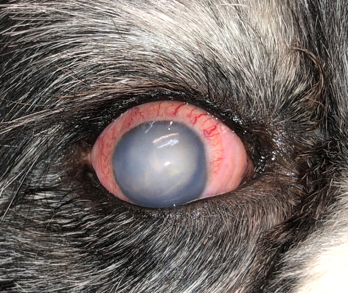
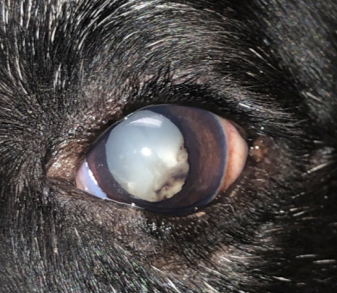
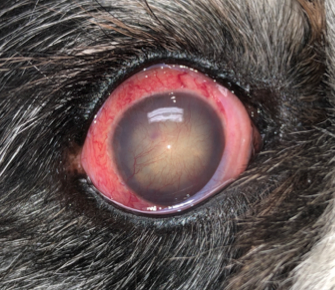
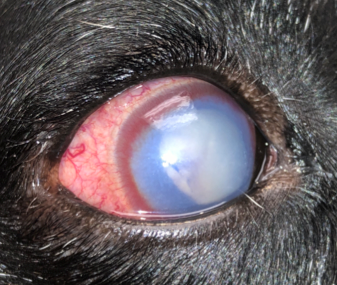
Cataract Surgery
Cataract surgery is a one-day outpatient procedure. Pets are dropped off at the Tulsa or Oklahoma City office between 8:00 and 9:30 a.m., and ERG and ultrasound tests are performed to evaluate retinal function and position. If your pet passes these tests, surgery is performed in the early afternoon, and most pets are released between 3:00 and 5:00 p.m. On average, vision returns within a few days, and three to five postoperative evaluations are needed over about three months.
What Does Cataract Surgery Involve?
Cataract surgery requires meticulous, precise microsurgical technique performed with an operating microscope and sophisticated instruments. Dr. Gwin performs phacoemulsification through a 3.2 mm incision. The cloudy lens is emulsified, or broken up, and aspirated from the lens capsule, and a 41-diopter foldable intraocular lens is then injected into the capsule to replace it. With today’s phacoemulsification equipment and foldable lenses, vision in most postoperative patients appears normal, including in diabetic pets. Although vision can be lost quickly to cataracts, it is very rewarding to see it restored and familiar habits return. Learn more about our surgical procedures.
When Is Surgery Recommended?
Once a cataract involves more than 50 to 60 percent of the lens, vision becomes significantly compromised. It is best to remove cataracts before they are completely cloudy to reduce the risk of cataract-induced inflammation, which can lead to serious complications such as glaucoma or lens luxation. Do not wait until your pet is totally blind.
Diabetic Cataracts
Diabetic pets develop cataracts because of an overload of a metabolic pathway within the lens. This overload breaks down the normal structure of the lens fibers so they no longer let light pass through. A high percentage of diabetic dogs develop cloudy cataracts rapidly, sometimes within one to two weeks. Approximately 40 to 50 percent of the cataract surgeries Dr. Gwin performs are on diabetic patients. The general success rate for cataract surgery in dogs is 90 to 95 percent, and it remains high for diabetic cataracts that are treated soon after they develop, before cataract-induced inflammation sets in.
Key Points for Diabetic Pets
- Have your pet’s diabetic cataracts evaluated early, preferably before total blindness occurs. Blood sugar does not need to be well controlled before referral, so do not wait to call for an appointment. Waiting can result in permanent blindness.
- Cataract-induced inflammation is very serious. Red, irritated eyes, conjunctivitis, squinting, and discomfort can progress to panophthalmitis, glaucoma, or retinal detachment in as little as two to three days.
- In these cases, anti-inflammatory eye medications such as NPD, prednisolone acetate, flurbiprofen, and diclofenac are usually indicated.
- To schedule an evaluation with Dr. Gwin, call either of our offices in Oklahoma City or Tulsa and let our receptionist know your pet is diabetic. We consider this a high priority. Please bring our referral form completed by your primary veterinarian and any eye medications prescribed for your pet.
- We stay in close contact with your veterinarian, who receives a written report from Dr. Gwin after each examination.
Hypermature Cataract With Lens-Induced Uveitis
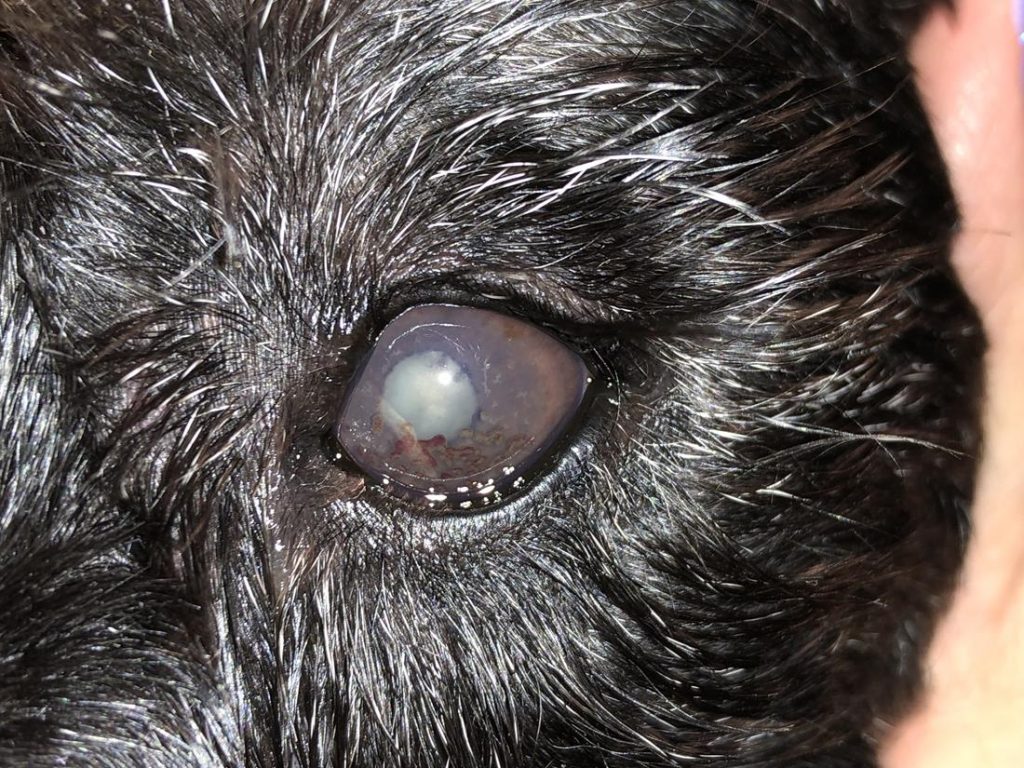
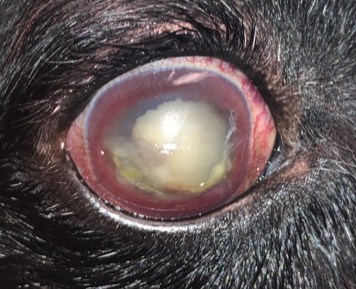
Lens-induced uveitis is inflammation caused by liquefied protein leaking out of the lens capsule when a cataract becomes overly mature, or hypermature. It is especially common in diabetic pets because their cataracts develop and swell so quickly. This inflammation can have serious and sometimes devastating effects, including a cloudy, red, inflamed eye with inflammatory deposits in the front chamber, adhesion of the iris to the lens (posterior synechia), blockage of the eye’s drainage system leading to glaucoma, retinal detachment, and even inflammation involving all layers of the eye (panophthalmitis). Early treatment with medication and timely surgery offer the best chance of protecting the eye. Learn more about uveitis in pets.
Cataract FAQs
How do I know if my pet has cataracts?
Signs include a cloudy, white, or bluish appearance in the pupil, bumping into objects, hesitation on stairs, and trouble seeing in dim light. A veterinary ophthalmologist can confirm the diagnosis.
Can cataracts be treated with eye drops?
No. There is no proven medication that reverses or prevents cataracts. Surgery is the only effective treatment, though anti-inflammatory drops may be needed to control cataract-induced inflammation.
How successful is cataract surgery for dogs?
The general success rate is about 90 to 95 percent, and it remains high for diabetic cataracts treated early.
How long does cataract surgery take?
Cataract surgery is a one-day outpatient procedure. Pets are dropped off in the morning, surgery is performed in the early afternoon, and most go home between 3:00 and 5:00 p.m.
When will my pet see again after surgery?
Vision usually returns within a few days, and your pet will need three to five follow-up visits over about three months.
Does my diabetic dog’s blood sugar need to be controlled before referral?
No. Blood glucose does not need to be well controlled before referral, so please call right away. Delaying can lead to permanent blindness.
What happens if a cataract is left untreated?
A hypermature cataract can leak protein and cause lens-induced uveitis, which may lead to glaucoma, retinal detachment, lens luxation, and permanent vision loss.
Schedule a Cataract Evaluation
If you notice cloudiness in your pet’s eyes, especially in a diabetic pet, call (918) 632-0508 (Tulsa) or (405) 751-3821 (Oklahoma City) today. Early evaluation gives the best chance of restoring vision.